
OriginChainDB
Store and retrieve the context.
Keep records, embeddings, search indexes and relationships in the same database. Use the query interfaces appropriate to each part of your workflow.
Solutions
Build better search, useful recommendations and a clearer view of your operations. Bring records, meaning and relationships into the workflows your application needs.
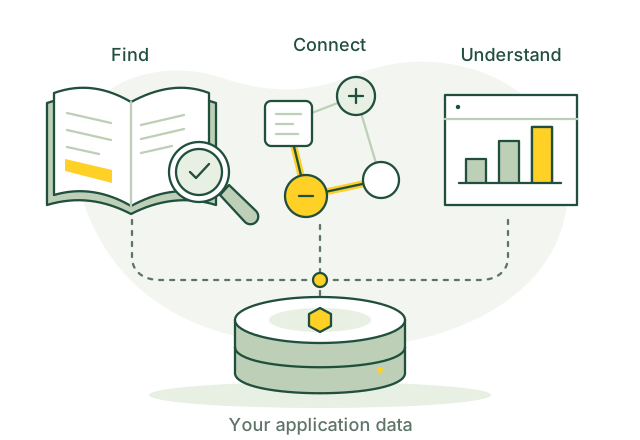
Build search, recommendations and operational tools around your data.
Illustrative applicationExplore the possibilities
Six practical starting points. Each one connects a user need with the data and queries behind it.
Put useful context within reach.
Give your application relevant passages, exact matches and the source records behind them. Build answers people can trace back to the original information.
Keep run state, useful memories and tool outcomes in one database. Retrieve the context your agent needs and inspect the records behind its work.
Make the next interaction more relevant.
Combine similar items, related records and current business facts. Give your application the candidates it needs to recommend something relevant and available.
Connect expressed preferences, session context and searchable content. Build an experience around what someone needs, with eligibility and ranking controlled by your application.
Give your team evidence to work with.
Query transactions and trace related accounts, devices and beneficiaries. Give investigators a clearer view of the records behind a signal.
Filter, group and inspect the records your application already writes. Turn activity into focused summaries your team can use to understand the work.
One data layer. Your application.
Use structured queries, similarity, exact terms and declared relationships where they help. Connect the results through record IDs and shape them into the experience you want to deliver.
Look inside the architectureKeep records, embeddings, search indexes and relationships in the same database. Use the query interfaces appropriate to each part of your workflow.
Coordinate writes and queries, combine candidates, apply business rules and decide what to show or do next. Model calls and application ranking remain in your control.
Make it your own
Choose a question your users already ask. A focused first version makes it easier to judge the result and understand what to build next.
Describe what a good answer, suggestion or operational view should contain. Keep a small set of examples to evaluate it against.
Choose the records, indexes and relationships the workflow needs. Retain stable identifiers so every retrieved result can lead back to its source.
Check relevance, permissions, freshness and query behavior using representative data. Include the application’s ranking, fallback and refresh decisions.
Build with OriginChainDB